How a World Bank bond finances spekboom restoration in South Africa
The $120 million issuance is structured to channel $25 million into an Eastern Cape restoration project.
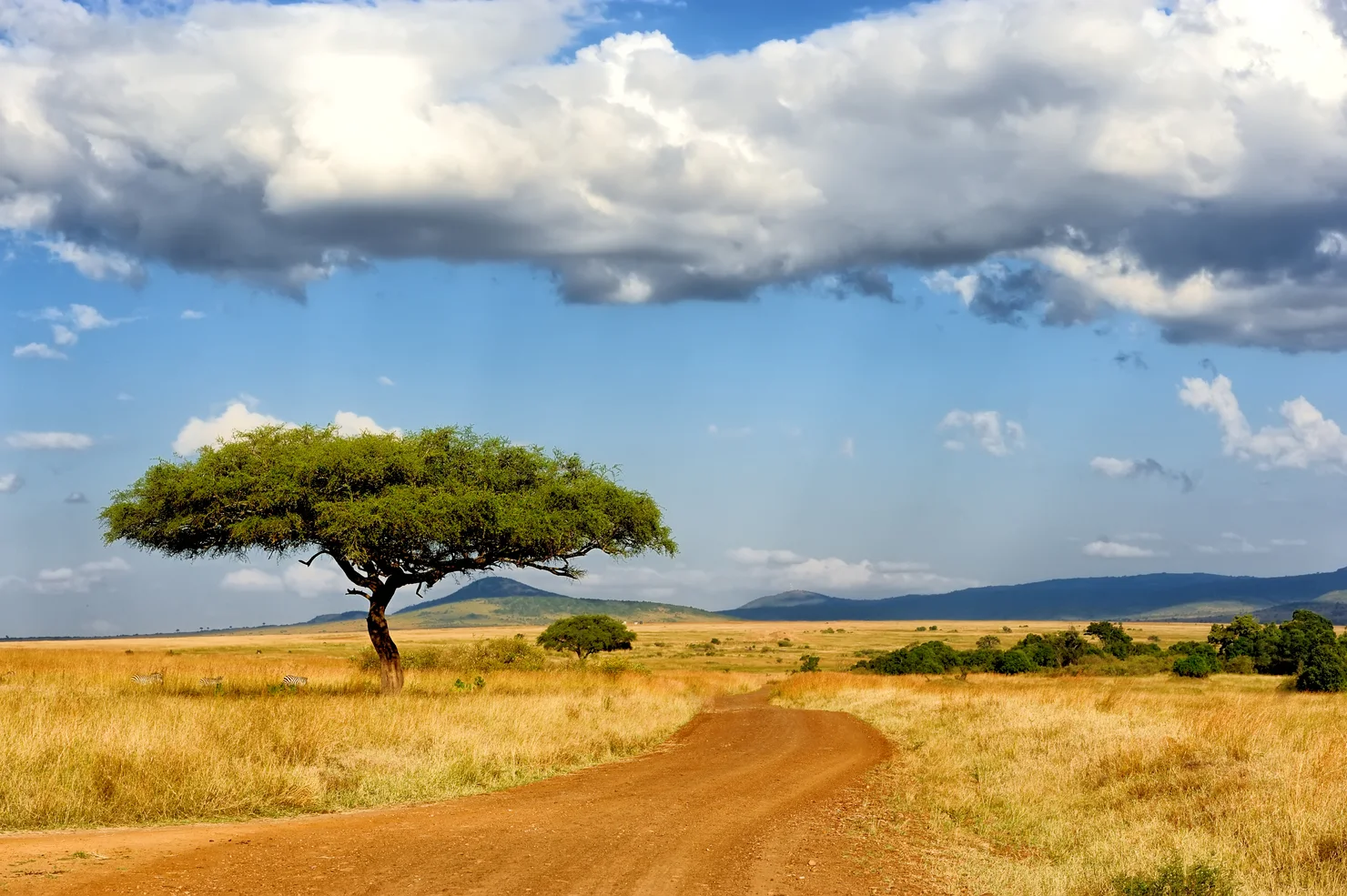
The World Bank priced a 14-year outcome bond in April to support restoration of degraded land in South Africa’s Eastern Cape. Two figures in the deal describe different things. The bank raised $120 million for its global lending. The structure is designed to channel $25 million to the specific restoration effort by redirecting an amount equivalent to part of the interest investors might receive on a conventional World Bank bond.
The project plans to expand spekboom restoration to 50,000 hectares. Spekboom is a native succulent in the Eastern Cape’s thicket vegetation. The bank links restoration to improvements in soil condition, water retention and habitat. The vegetation and land-management results still have to be realised and tracked over time.
The bank’s case study distinguishes the principal repayment from additional interest linked to project performance. Investors have principal protection from the World Bank. A portion of returns can depend on carbon-removal revenues, and the early funding reaches the project through a transaction with BNP Paribas. The bond’s pricing therefore establishes how the work can be financed and how investor returns may vary. It does not measure how much carbon the plantings have already removed.