
Haitian police report retaking Port-au-Prince’s national stadium
Haiti's police said control of Sylvio Cator Stadium was handed to Salvadoran forces. Bukele announced a base there and released video showing armed four-legged robots.
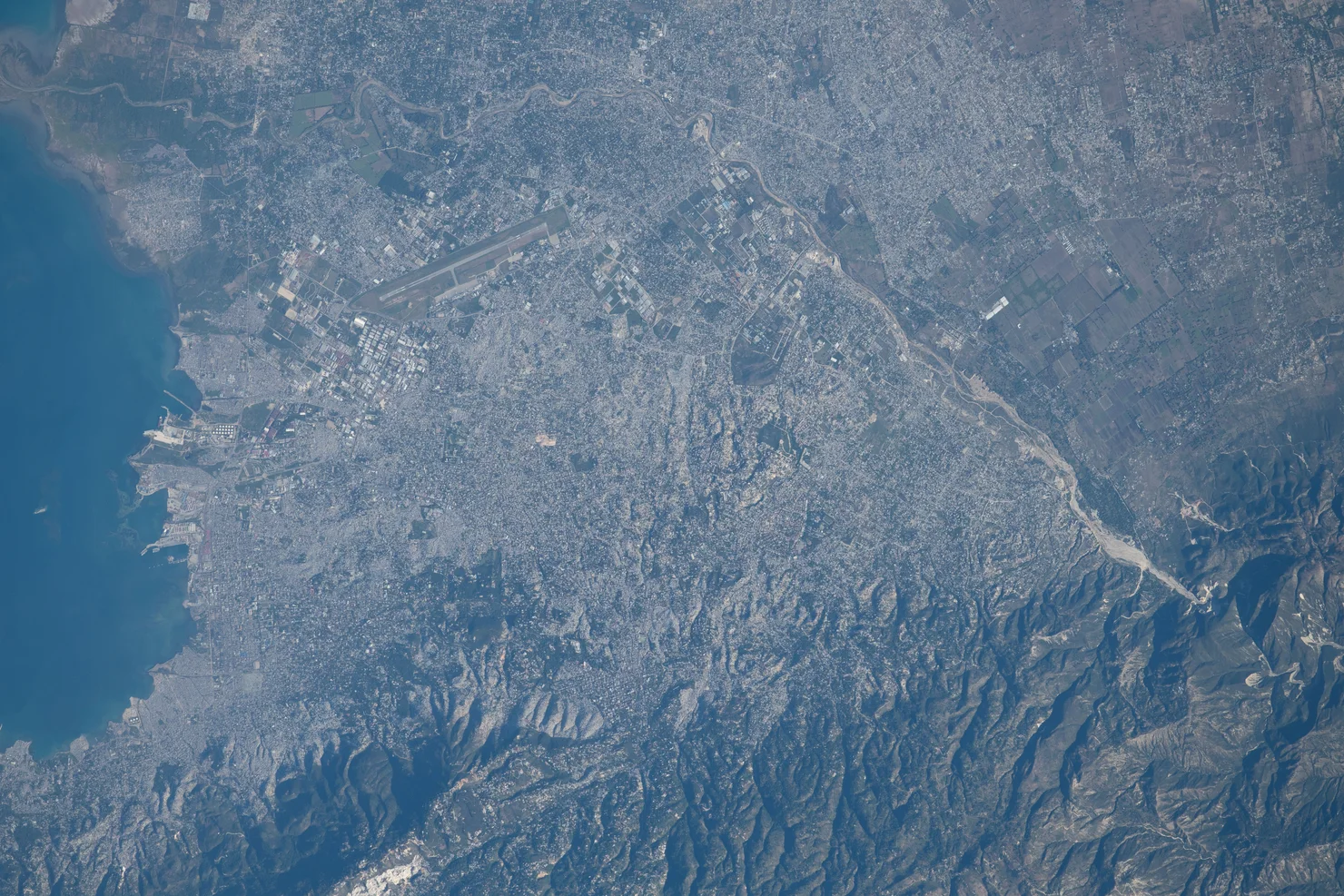
Haitian police said an operation recovered Sylvio Cator Stadium and the area surrounding it on November 12. The stadium in downtown Port-au-Prince formerly hosted Haiti's national football team. Sports outlet AS reported that armed groups had controlled the venue since 2024 and that Haiti had to play home matches abroad. The police announcement describes a change of control at one site in the capital.
EFE reported that Haiti's police said they had worked with the government's task force and subsequently handed control of the venue to Salvadoran forces. El Salvador's president, Nayib Bukele, described the operation as involving those Haitian units as well as Haiti's army and Salvadoran personnel. The accounts are consistent on who now holds the venue as described by officials, although they emphasize different participants in the operation.
Bukele said the stadium would be used as an operating base for the continuing effort against gangs. A video he released, reported by The Independent the next day, shows armed four-legged robots along with personnel at the venue. The footage does not establish that any robot discharged a weapon, caused casualties or was responsible for the change in control. No such conclusion can be drawn from appearance in the video alone.
The immediate issue for residents and supporters is what the change of control means for access and safety beyond the stadium gates. The police statement and Bukele's announcement did not set a date for football to return or establish that the wider neighbourhood was safe for ordinary public activity. Haiti's recovery of one of its best-known sporting landmarks and its return to use by players and spectators are separate developments.